


Static Website Design
Static web design is considered the foundation of the digital world; it defines a conventional and straightforward way of creating websites. It is a method that involves pre-built web pages, which remain the same and show the same information for all visitors. Here at Trivia Info IT, we understand the efficiency and simplicity involved in static website design; hence, it makes it an ideal choice for small websites or lesser updatable websites. Static websites are straightforward to host, fast in the loading process, and provide a cost-effective solution to businesses looking for an online presence.
Designing Dynamic Websites
Different from static websites, dynamic websites will work in two-way communication; that means the content will keep changing based on how users are behaving. Trivia Info IT Deep experience in custom WordPress and Shopify websites is also one of the best examples of dynamic web design. This approach is suitable for businesses that require periodic updating of content, user-generated content, and interactive features to keep visitors engaged.
eCommerce Website Design
Digital commerce has gained momentum at an exponential rate; contemporary e-commerce web design has evolved into something of a specialty area. At Trivia Info IT, we successfully create e-commerce solutions that combine function and form effectively. An e-commerce web design with user-friendly interfaces and safe payment gateways makes the buying decision accessible for customers in general. This is very necessary for businesses desiring more robust online stores that would be able to harness the power of the internet in massively boosting sales and becoming better connected with its global customer base.
Three types of Web Design, i.e. Static, dynamic, and eCommerce are the varied aspects of the digital canvas, making sure businesses and individuals find respective usefulness. Our role as the website designer & developer is an expression of a holistic path of such design paradigms, henceforth in the position to offer tailored solutions that align with our clients‘ specific goals. It all depends on choosing the right approach, whether you opt for the easiness of static design, the interactivity of dynamic designing, or the functionality of e-commerce designing. A judicious mixture of these in this digital age can be one sure way to develop a strong, influential online presence.

Online presence and credibility:
Having a website gives you an online presence, making it easier to reach a global audience of individuals and businesses. Well-designed and regularly updated websites build credibility and reliability.Information Sources:
Websites are primary sources of information about a person, company, or organization. Users can access information such as contact information, product/service offerings, and other relevant data.Business and Logistics:
Websites are powerful tools for marketing and branding efforts. They provide a platform to showcase products, services, promotions and certifications, helping to build and strengthen brand identity.Customer involvement:
Websites provide direct contact with customers and potential customers. Features such as contact forms, live chat, and social media integration facilitate communication and feedback.E-commerce and sales:
For businesses, accessing the Internet through a web browser can increase sales. E-commerce websites allow customers to browse, shop and track orders more easily.Global Introduction:
The website offers global reach, enabling companies to expand their market reach beyond geographic boundaries and engage a wider audience.Access and convenience:
The websites are accessible 24/7, making it easier for users to access information or make purchases at any time. This accessibility contributes to customer satisfaction and loyalty.Low-cost trading:
Compared to traditional marketing channels, websites offer a cost-effective way to reach a wider audience. Obviously, internet marketing techniques like SEO and social media can be implemented through websites.Education and Resources:
The website can serve as an educational platform, providing valuable resources, information, tutorials, and other resources to educate and inform visitors.Research and analysis:
It allows the use of web analytics tools, providing valuable insights into user behavior, preferences, and website performance. This data can be used to make appropriate business decisions.Adaptability and Scalability:
Websites can easily adapt to changes in business models, innovations, and developments. They are flexible and can be expanded to accommodate new suites and functions.The importance of websites built by the best web designer in Surat is an important tool for businesses to ensure online presence working as a dynamic platform, exposing products and services to the world all, increase trust and better engage customers. A well-designed website is essential to maintain and communicate in an ever-evolving online environment in the digital age.

Your web design requirements:
Clearly define your goals and needs for the website. Know what features and functions you need.Portfolio Analysis:
Check out the designer’s section to appreciate their style and the variety of projects they’ve worked on. See if they have experience designing websites similar to what you are looking for.References and reviews:
To gain insight into a designer’s work ethic and communication style, ask for references from references from previous clients. Look for online reviews and testimonials to gather feedback from others who have worked with the designer.Technical Skills:
Make sure that the designer has the technical knowledge needed for your project. This includes knowledge of relevant design tools, coding languages and platforms.Contact and Discussion:
Effective communication is essential. Evaluate how well the designer listens to your ideas and communicates their ideas. Determine how comfortable employees are to collaborate.Budget and pricing:
Clearly establish your budget for the project and ask about the designer’s pricing structure. Make sure there are no hidden costs, and everything is transparent.Schedule:
Discuss the expected timeline for the project. Make sure it matches your business needs and objectives.Scalability and future support:
Ask about the adaptability of the website and whether the designer can support new futures or changes. Understand ongoing support and maintenance issues.Creativity and Innovation:
Look at the designer’s creativity and ability to bring innovative solutions to the table. Look for someone who can offer a different perspective when interacting with your brand.Responsive Design:
Make sure the designer understands the importance of designing a design that works on a simple device experience.Meet in person or virtually:
If possible, hold an face-to-face or virtual meeting to evaluate your project. This can help build understanding and relationships.When selecting a website designer, prioritize experience and knowledge. Find the best web design company in Surat that not only showcases portfolio but also understands your unique business needs. An experienced professional can seamlessly blend aesthetics and functionality, ensuring that your online presence stands out well.
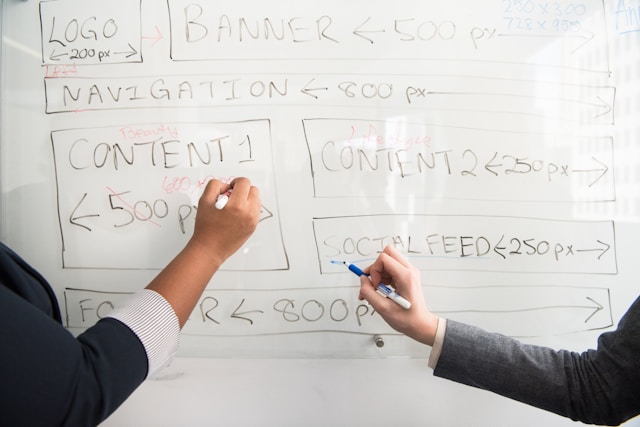
- Graphic Design: Website designers often have a background in graphic design and use their skills to create visually appealing layouts, color schemes, and overall design elements for websites.
- Layout and Structure: They determine the overall structure and layout of a website, including the placement of various elements such as navigation menus, headers, footers, and content sections.
- User Experience (UX) Design: Website designers focus on creating a positive user experience by ensuring that the navigation is intuitive, and users can easily find the information they are looking for.
- Responsive Design: Designers ensure that websites are compatible with various devices and screen sizes through responsive design techniques. This helps to optimize the user experience on desktops, tablets, and mobile devices.
- Typography: They choose and implement appropriate fonts for the website, ensuring readability and consistency across different pages.
- Color Scheme: Website designers select and apply color schemes that align with the brand identity and create a visually appealing atmosphere on the website.
- Image Selection: They choose and incorporate images, graphics, and other multimedia elements that complement the overall design and enhance the visual appeal of the website.
- Collaboration with Developers: Web designers often work closely with web developers to implement the design into functional code. Collaboration is essential to ensure that the design is translated accurately into the final website.
- Stay Updated on Design Trends: Web designers stay informed about the latest design trends, technologies, and tools to incorporate innovative and current elements into their work.
- Testing and Iteration: After the initial design and development, designers may conduct usability testing and gather feedback to make necessary adjustments and improvements to the website.